Inside this article
Modern traders rarely suffer from a lack of tools. The opposite is more common: charts on one platform, alerts on another, execution on MT5, notes in a spreadsheet and statistics somewhere else. When the workflow is fragmented, information gets lost too.
Disciply is built around that problem. It is not meant to be just another trading journal, but a system that connects what a trader watches, decides, executes and later reviews.
The hidden cost of a fragmented workflow
A trader can have excellent charts and still not know why certain setups keep failing. An MT5 history can be complete while there is no record of which trades were outside the plan. The problem is not access to data. It is the relationship between the data.
A useful trading system should help reveal which setups perform better, how much risk is actually being taken, which mistakes repeat and how performance changes across sessions and periods.
Disciply starts with the journal, then connects the rest
The journal remains central because meaningful improvement starts with what the trader actually did, not what they believe they usually do.
Disciply connects that record with markets, charts, price alerts, MT5 synchronization, statistics and Performance Intelligence. The goal is not to add features for the sake of it, but to reduce disconnected steps in the workflow.
An alert lets the trader wait for a predefined condition instead of staring at the chart. MT5 synchronization reduces memory gaps. Statistics become useful when they reveal whether behavior is improving, rather than simply making a dashboard look more complex.
The Disciply overview shows this structure: education, markets, alerts, MT5, journaling and performance analysis are designed as parts of one process.
Judge the process, not only the outcome
One profitable trade can still be a bad decision. One losing trade can be perfectly aligned with a valid plan. If a trader judges every decision by P/L alone, risky behavior can be rewarded simply because it worked once.
Recording context, risk, execution and outcome makes it easier to separate luck from process. The better question becomes: was this trade consistent with my method?
Repeated over dozens or hundreds of trades, that question turns isolated outcomes into comparable data.
MT5 and Performance Intelligence: less memory, more verification
MT5 synchronization can reduce the dependence on manual logging, while qualitative review still explains why a trade was taken, whether price was chased or whether risk was increased after a loss. Automation and reflection work best together.
The same applies to Performance Intelligence. Account balance is an outcome, not a diagnosis. Improvement requires a clearer view of consistency, risk, drawdown, trade distribution, frequency and recurring mistakes.
A trading operating system should not decide for you
No platform can remove market uncertainty, guarantee returns or turn a weak strategy into a strong one. The role of a useful trading operating system is more practical: make the trader's own behavior easier to see.
It should reduce fragmentation, preserve history, connect execution with analysis and make repeated mistakes harder to ignore.
That is the role Disciply is trying to fill: an environment where traders do not only study the market, but also the way they operate.
Educational and informational content only. Trading involves risk. Disciply does not guarantee performance.
Related articles
Trading Journal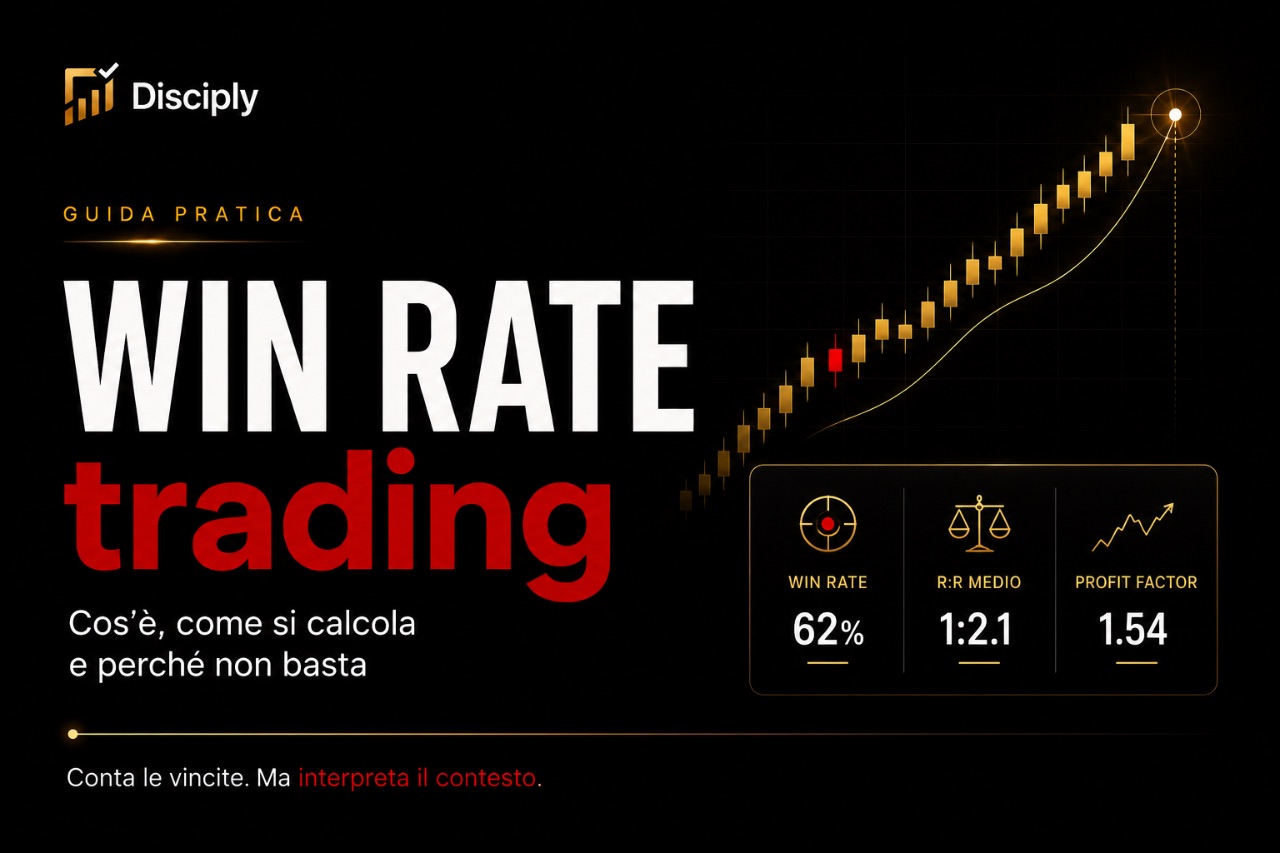
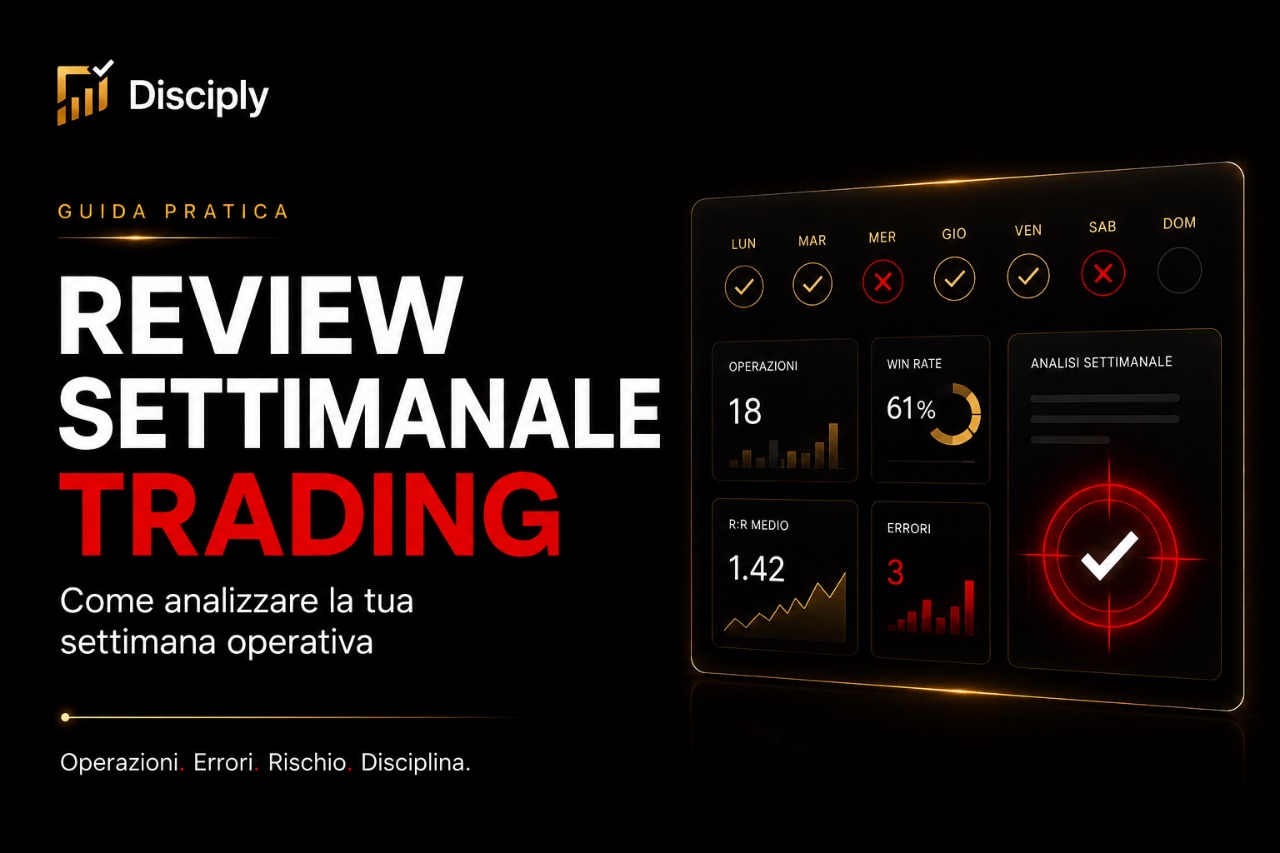
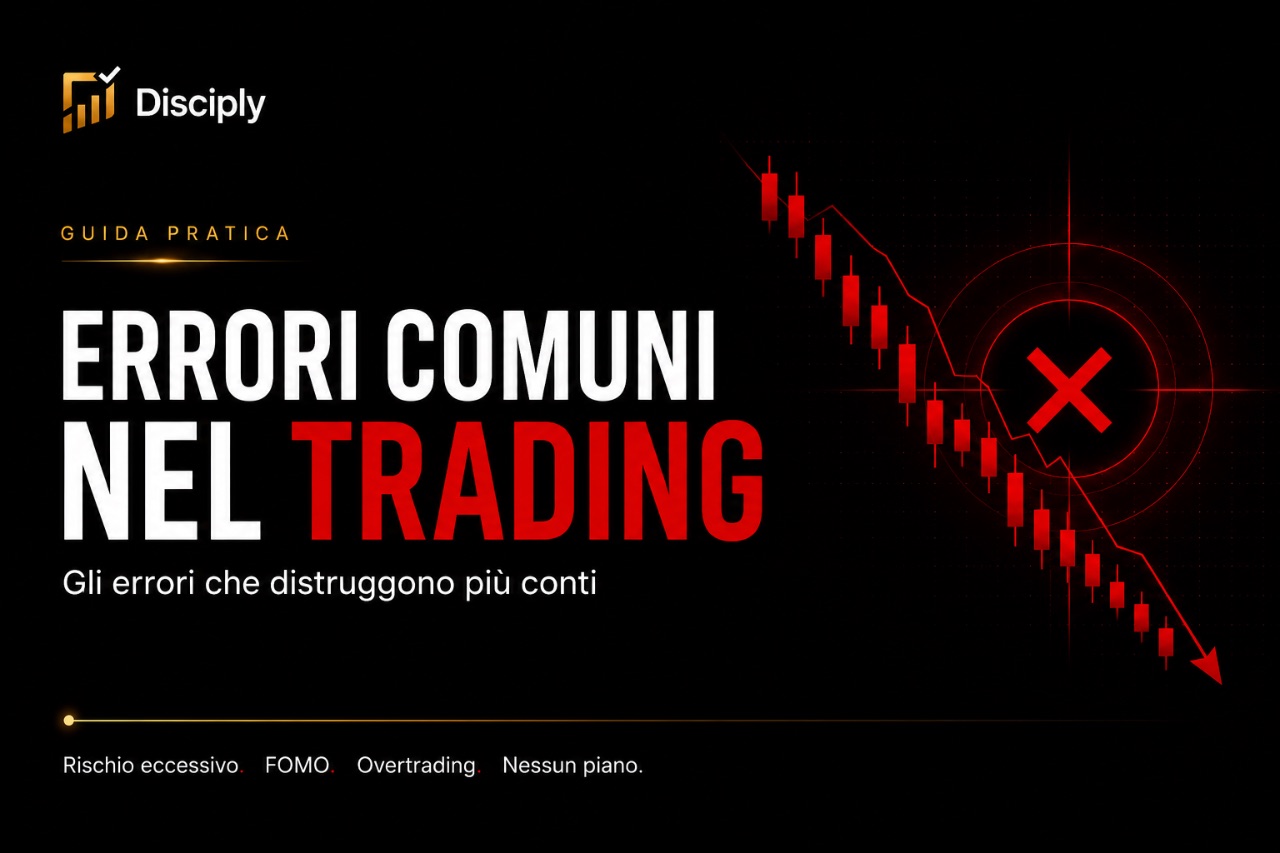
Share article
Disciply
Want to take trading seriously?
Reduce improvisation and impulsive mistakes with checklists, entry reasons, and trade reviews.
Turn every trade into a clear, consistent, measurable process.
Process before outcome.
Start with Disciply
Comments
Latest comments
All comments